
Compare 15V and 17V supercapacitor modules for automotive pulse power, backup support, protection, and volume sourcing.
Supercapacitor modules can support rapid energy delivery, short-duration backup, voltage stabilization, and automotive power applications. However, modules with similar housings may have very different energy capacities. Buyers should compare system voltage, capacitance, cell configuration, protection design, operating temperature, and mechanical integration before selecting a product.
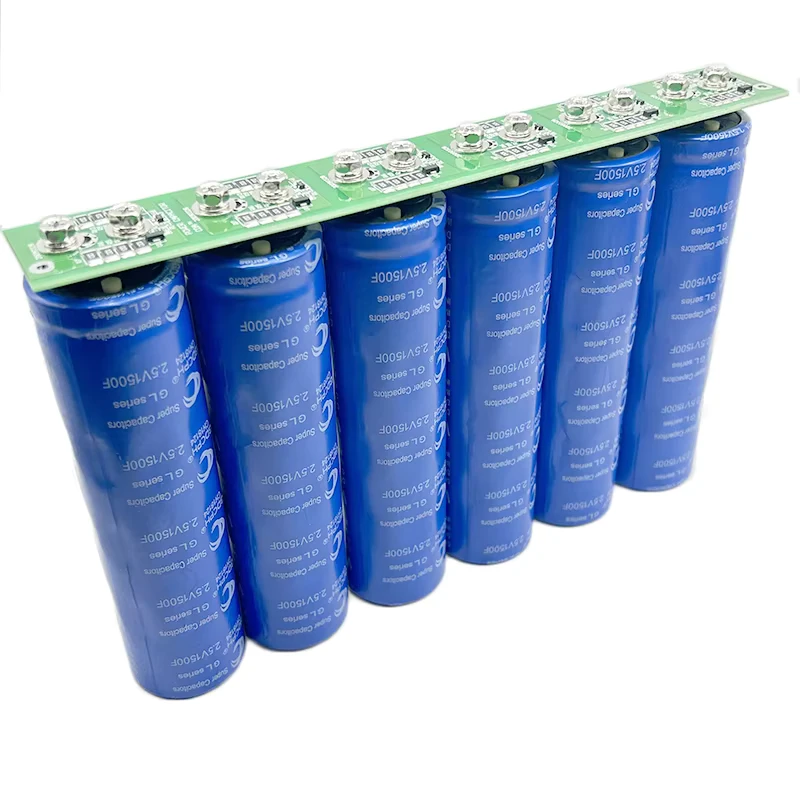
Three Capacitance Levels for Different Power Needs
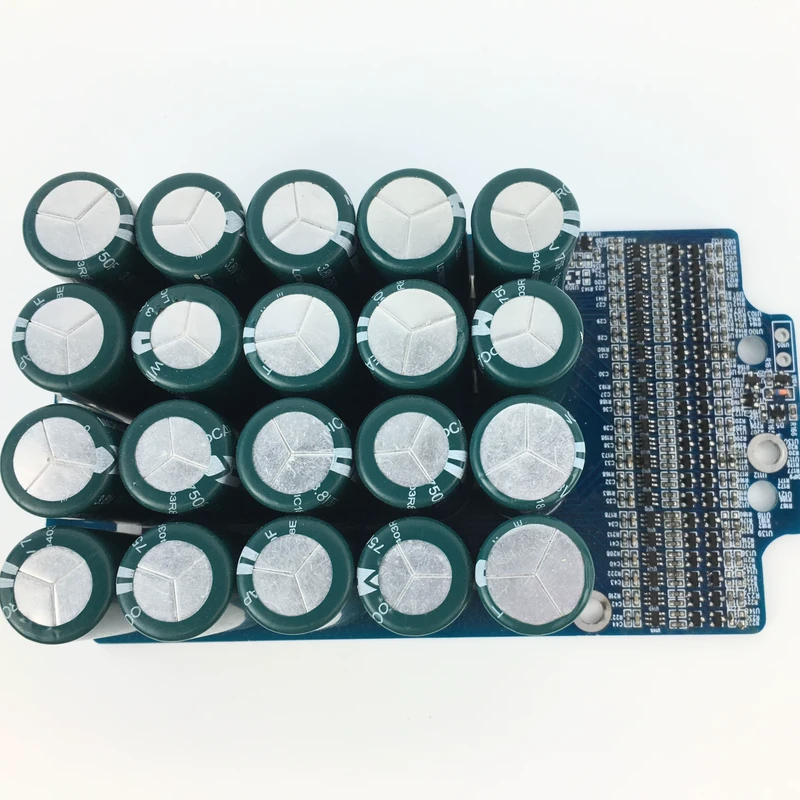
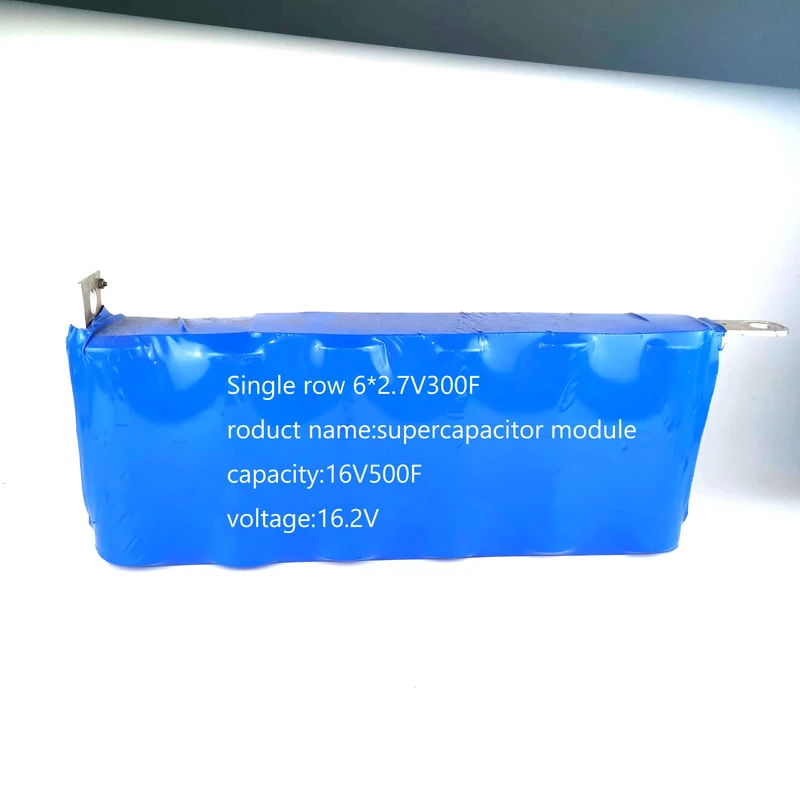
The 15V 250F module is based on 2.5V 1500F supercapacitors and includes a protecting plate. Its high capacitance makes it relevant where substantial pulse energy or temporary power support is required. The listed operating range is -20°C to 70°C, with a rated voltage range of 12V to 15V.
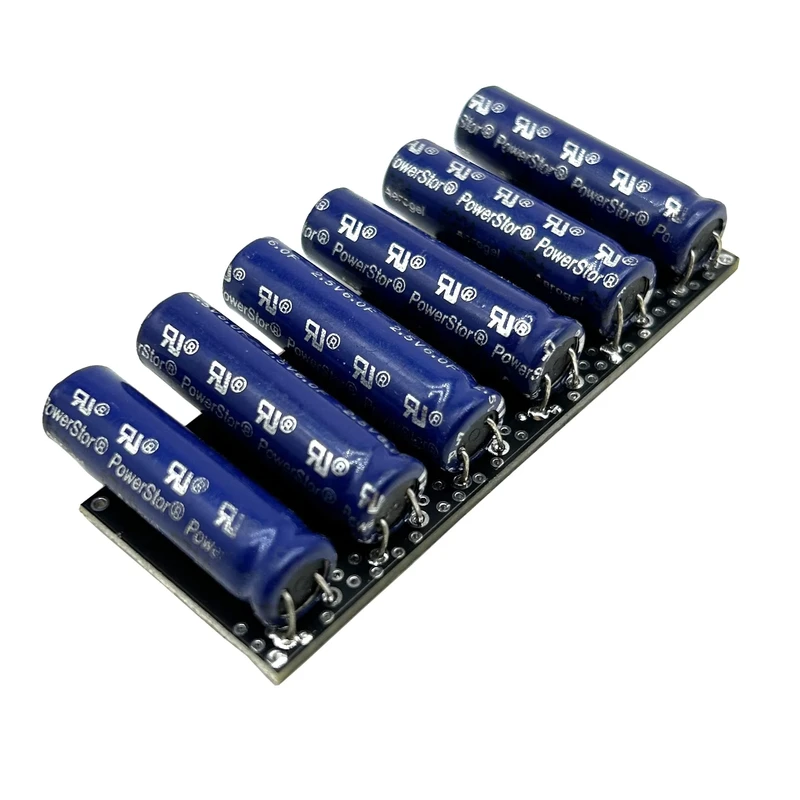
For lower-energy backup duties, the 15V 1F option uses six 2.5V 6F capacitors with a balance protection board. This navy-blue fixed-capacitor assembly is also specified for automotive applications and operation from -20°C to 70°C. Its smaller capacitance may suit circuits where compact backup support matters more than extended energy delivery.
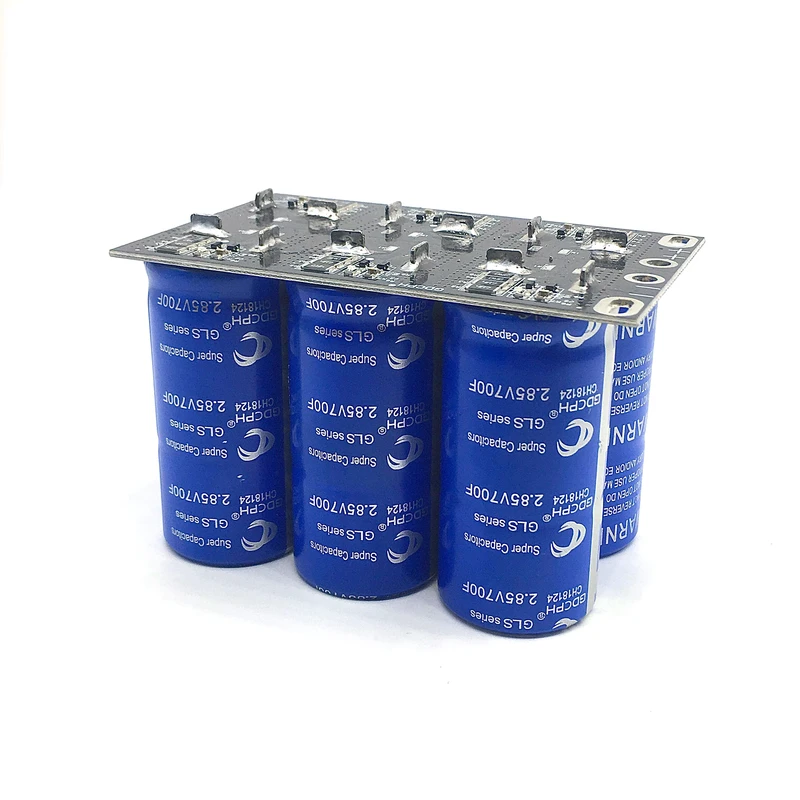
The 17V 116F assembly offers another voltage and capacity combination. It references 2.85V 700F cells, a 0–17V range, aluminum construction, and a protection plate. This configuration gives equipment designers additional voltage headroom when a 15V module is not the preferred match.
What Procurement Teams Should Confirm
Capacitance alone does not define performance. Importers and project buyers should also request dimensions, terminal layout, ESR, allowable current, protection-board details, and packaging information. Explore the broader supercapacitor module range, then contact us with your target voltage, application, quantity, and customization requirements for a focused quotation.