Compare 13.5V, 16V 500F, and 450V 50F supercapacitor modules for backup, starting, and industrial pulse-power applications.
Supercapacitor sourcing becomes clearer when buyers separate voltage level from the actual job: short backup, engine starting, peak-current support, or industrial equipment startup. Capacitance matters, but so do discharge current, duty cycle, operating temperature, mounting space, and control architecture. A broad supercapacitor module range allows importers and project teams to compare these requirements across different power classes.
Three Voltage Tiers, Three Design Directions
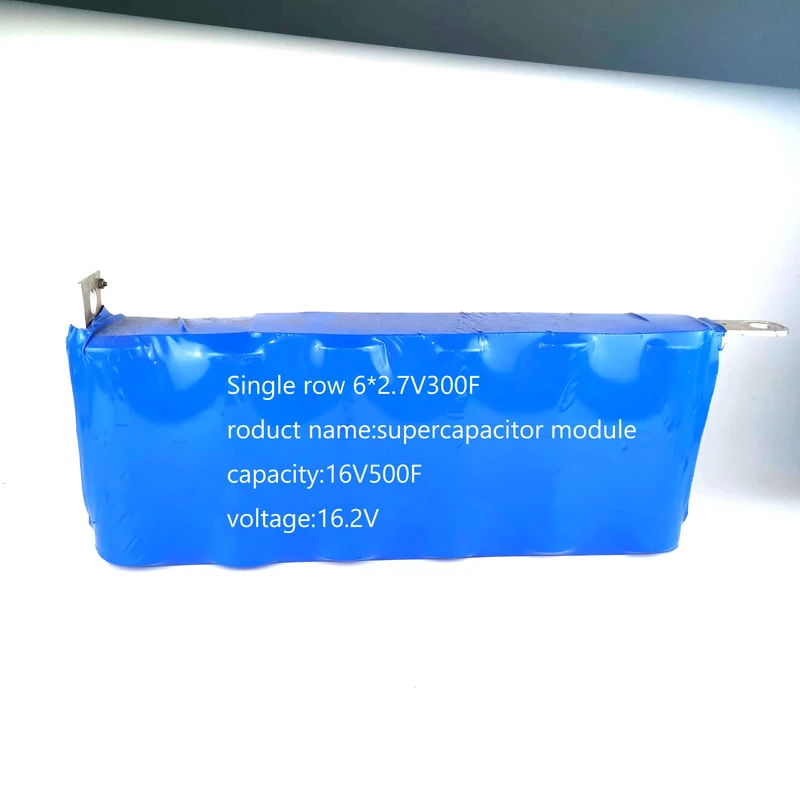
For compact automotive electronics, the 13.5V backup module is intended for automotive rectification and backup-power applications. Available product information references 10F and 12F configurations, a 0–13.5V rated range, and operation from -20°C to 70°C. Buyers should confirm the required capacitance, connection format, dimensions, and discharge profile before ordering.
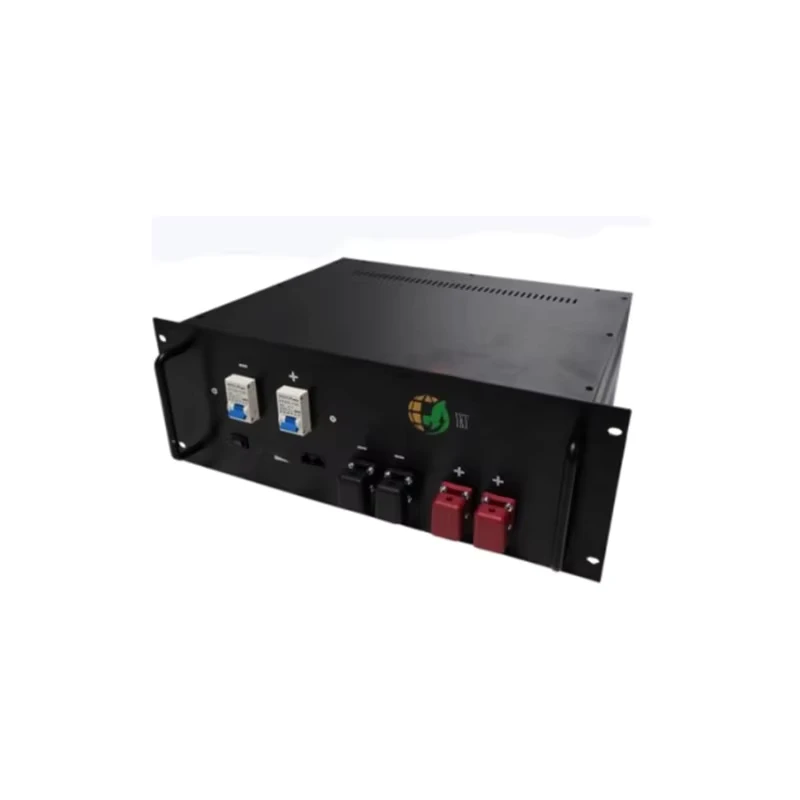
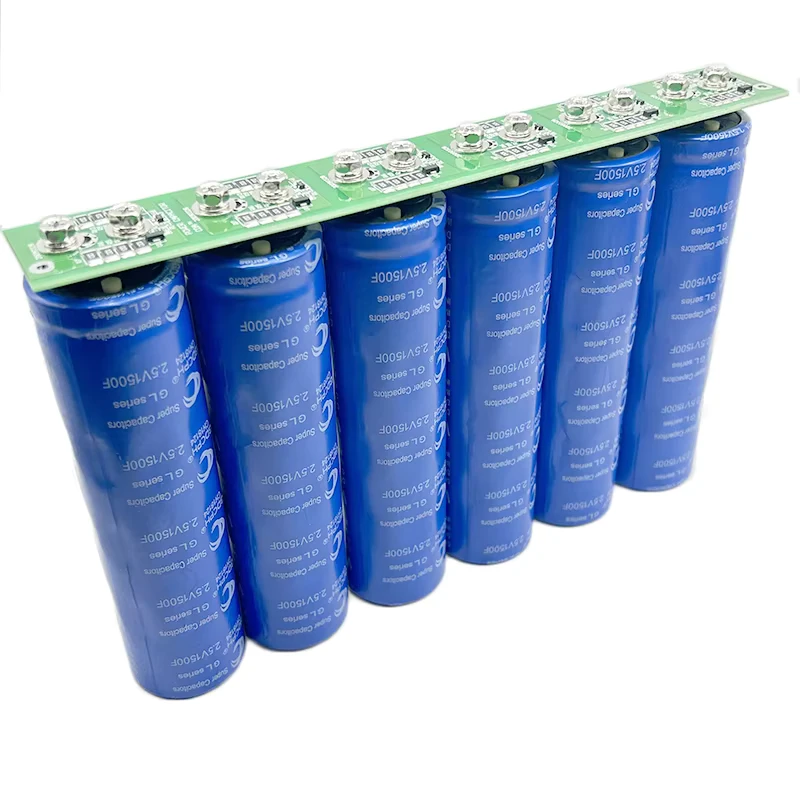
Applications requiring a larger low-voltage energy buffer can consider the 16V 500F power pack. Its configuration uses six 2.7V 3000F cells and is specified for fast charging and discharging from -40°C to 70°C. Potential uses include starter power banks, harbor machinery, and other power systems. For 24V or 48V projects, series configuration, balancing, isolation, and protection must be engineered around the complete system.
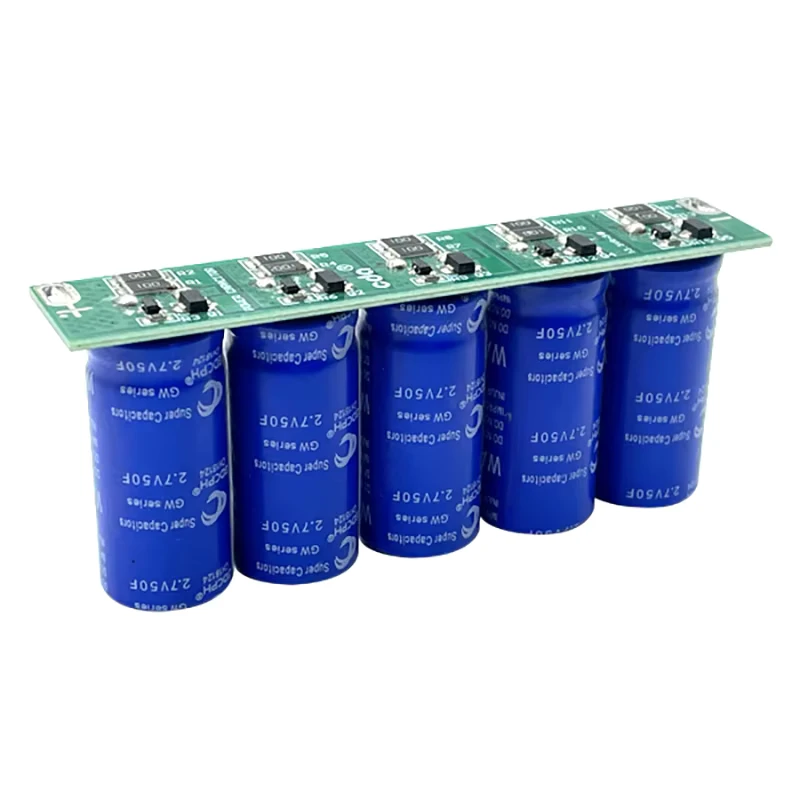
At the high-voltage end, the 450V 50F industrial module targets high-current duties in electronics, machinery, and external compressor starting equipment. Its higher voltage class makes insulation design, enclosure integration, switching components, and safety controls central to the procurement review.
Specify the Load Before Requesting a Quote
A useful inquiry should include nominal and maximum voltage, peak current, discharge duration, recharge time, cycle frequency, ambient temperature, installation space, and target quantity. These details help identify whether a standard module is suitable or whether electrical and mechanical customization requires evaluation. Contact us with your load profile for product selection, quotation, and project-level supply discussion.