Compare 12V, 30–48V, and 76V supercapacitor modules for starter, mobility, and pulse-power sourcing, with OEM options for global buyers.
Supercapacitor sourcing is not simply a search for the highest capacitance. Importers and equipment manufacturers must consider system voltage, pulse-current demand, available installation space, charging strategy, and expected operating cycles. A diversified range of supercapacitor modules can support starter assistance, electric mobility, backup power, and other fast-response applications.
Three Voltage Platforms for Different Power Demands
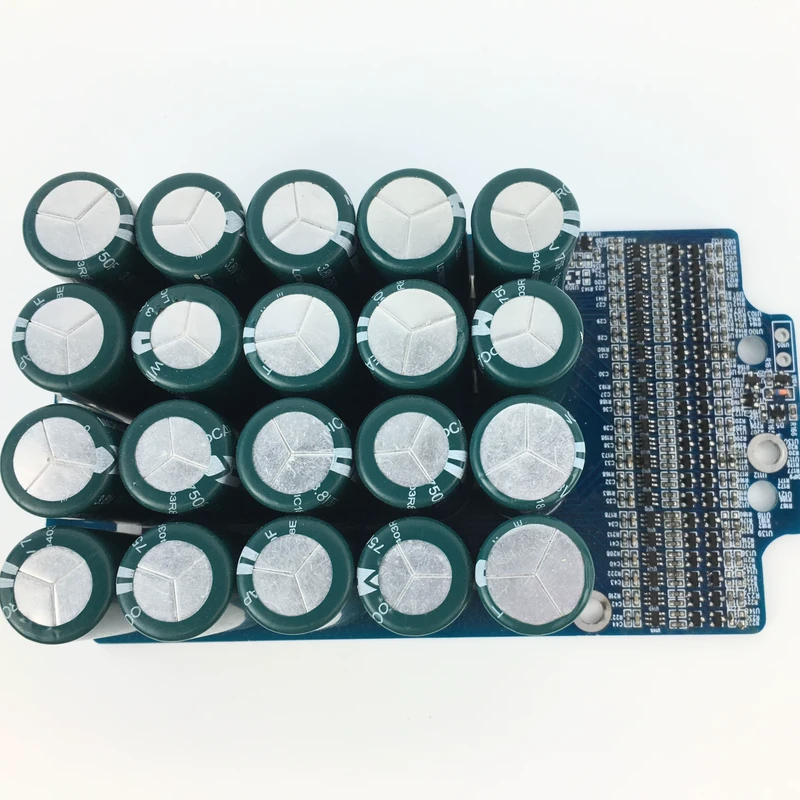
For higher-voltage systems, the 76V 37F module provides a platform for rapid charging and discharging. Its blue, box-packed construction is intended for applications such as starter boosting and short-duration power delivery where quick energy release matters more than long discharge time.
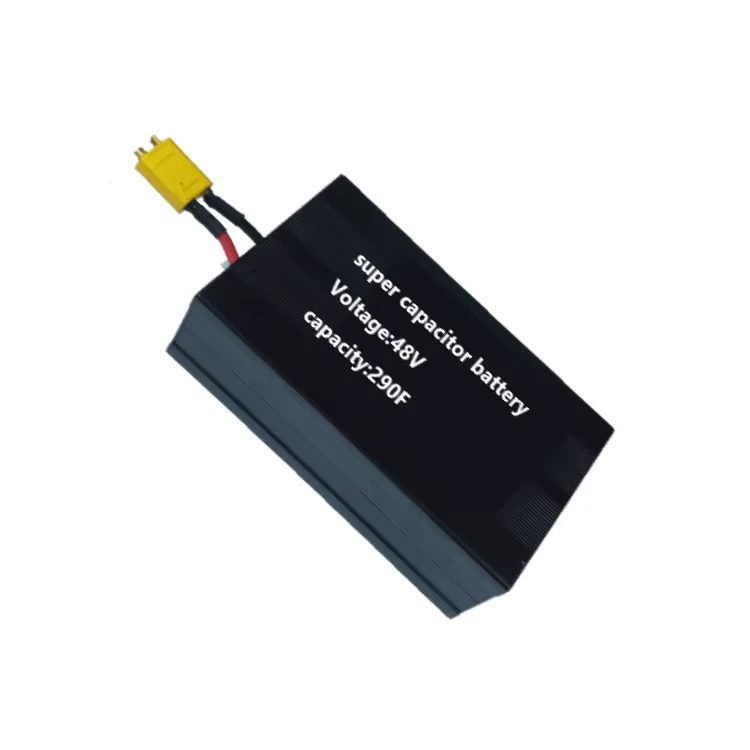
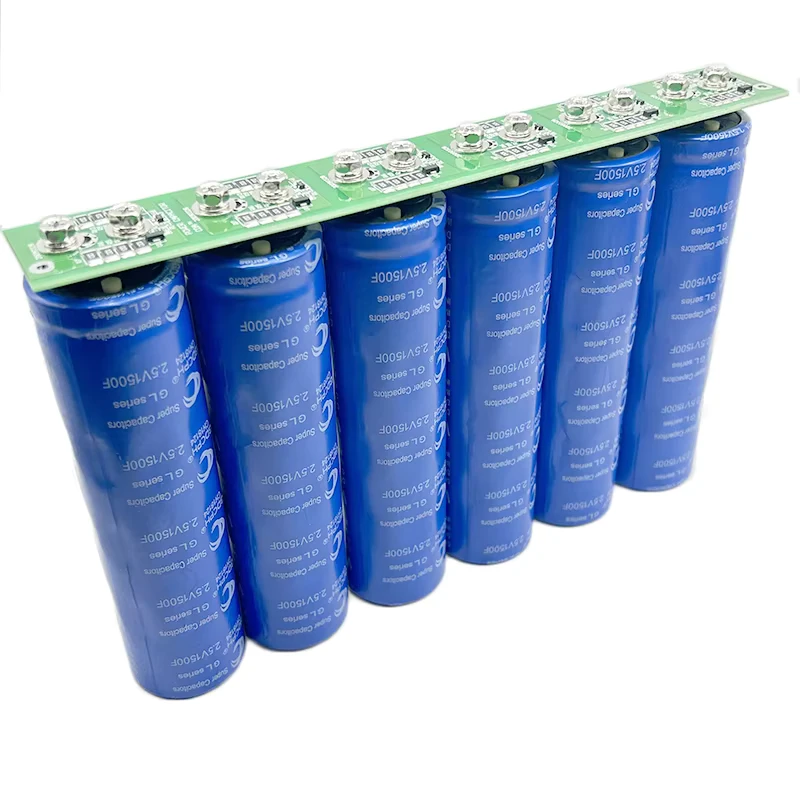
The 48V 290F module targets scooters, electric bicycles, electric vehicles, and starter-power projects. The listed operating range is 30–48V, with a 10A working current, approximately 0.8 kg weight, and 25 × 14 × 11 cm size. OEM supply is available, while buyers should request current RoHS, CE, and quality-management documentation when preparing compliance files.
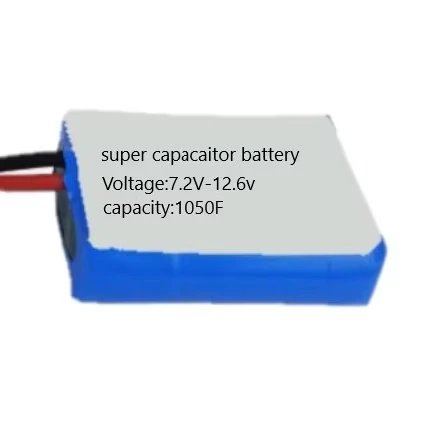
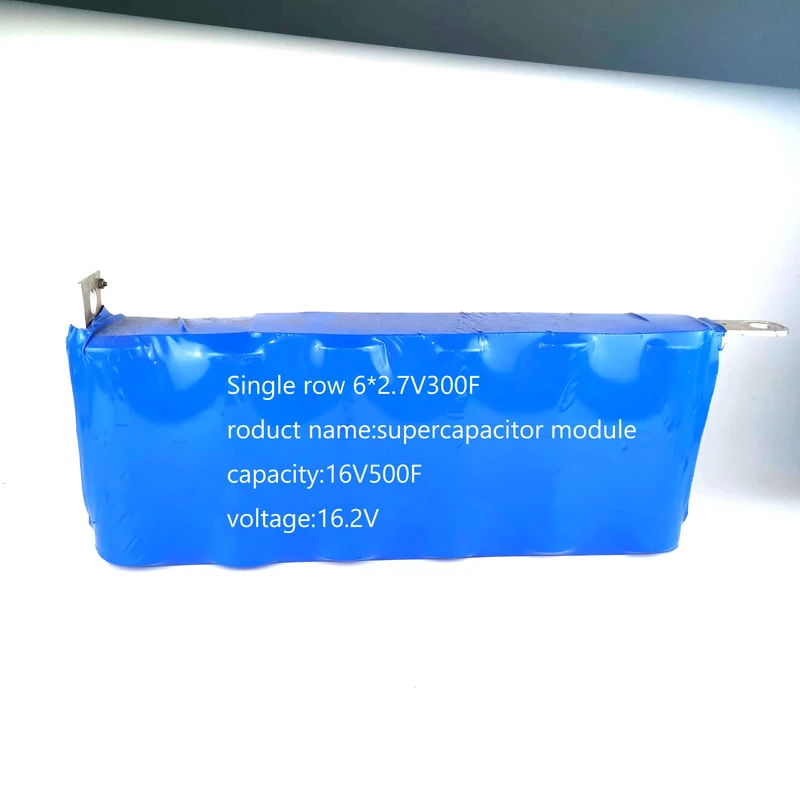
For compact low-voltage designs, the 12V 1050F module offers a listed operating range of 7.5–12.6V and 4.5A working current. Its approximately 70 × 20 × 60 mm format and 140 g weight make it relevant for space-sensitive starter assistance and light electric mobility development.
What Buyers Should Confirm Before Ordering
Capacitance values across different voltages should not be compared in isolation. Procurement teams should define peak current, duty cycle, charging limits, connection method, environmental conditions, and required protection or balancing functions. Share your target voltage, application, dimensions, and order volume to discuss module selection, customization, documentation, samples, and commercial supply terms.